
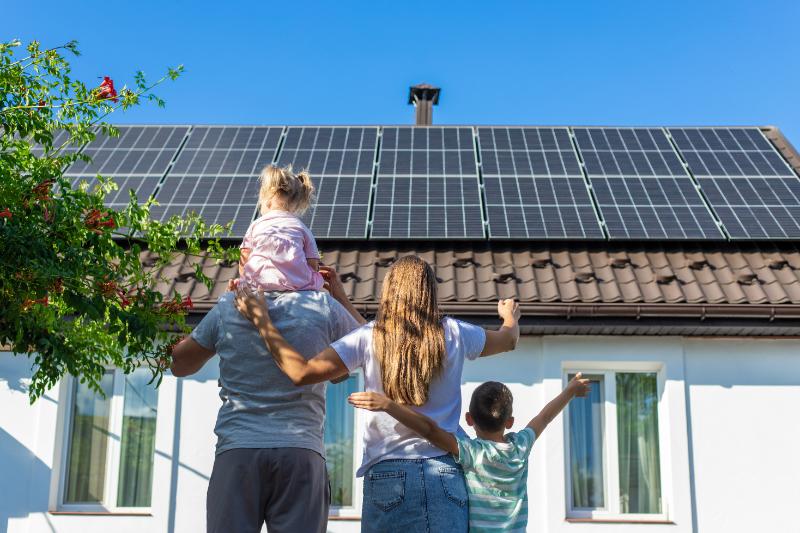
The way homeowners produce and consume electricity is changing. As energy costs rise and interest in renewable energy grows, more households are exploring solar power as an alternative to relying entirely on the traditional electrical grid. Companies such as EcoNova Solar help homeowners explore residential solar solutions designed around their property’s energy needs. For many households, solar is no longer simply an environmental choice. It has become a practical option worth considering when looking at long-term energy costs, energy independence, and the future of the home.
Why More Homeowners Are Considering Solar
Traditional electricity comes from a large energy infrastructure that homeowners have little control over. They purchase electricity from their utility and are generally exposed to changes in electricity rates and other costs.
Solar panels offer a different approach. Instead of purchasing all of their electricity from the grid, homeowners can generate electricity directly from sunlight using a photovoltaic solar system installed on their property.
This can give homeowners greater control over where their electricity comes from while potentially reducing their dependence on conventional grid electricity.
Solar Can Turn a Home Into a Small Power Plant
One of the biggest changes brought by residential solar is the ability to generate electricity at home.
Solar panels convert sunlight into electricity that can be used by household appliances, lighting, heating and cooling equipment, and other electrical devices. When the system produces more electricity than the home is using, the excess may be sent back to the electrical grid depending on the utility’s policies and the home’s solar arrangement.
This changes the traditional relationship between a homeowner and the electric grid. Instead of the home being solely a consumer of electricity, it can also become a producer.
Battery Storage Adds Another Layer of Flexibility
Solar panels generate electricity when sunlight is available, but household energy consumption continues throughout the day and night. Battery storage can help bridge that gap.
A home battery can store some of the electricity produced by a solar system for later use. For example, a household may generate significant solar power during the afternoon but use more electricity in the evening after the sun has gone down.
With battery storage, some of that previously generated electricity can be saved and used when it is needed.
Energy storage can also provide homeowners with another option during certain grid interruptions, depending on the equipment and system configuration.
Solar Is About More Than Panels
When people think about residential solar, they often focus primarily on the panels installed on the roof. However, a complete solar system involves several important considerations.
The property’s roof condition, available sunlight, electricity consumption, system size, equipment, electrical requirements, and local regulations can all influence the design.
That is why homeowners should evaluate their property and energy usage before deciding what type of system makes sense. A system designed for one household may not be appropriate for another.
Solar Can Support Long-Term Energy Planning
Homeownership involves many long-term expenses, from maintenance and insurance to heating, cooling, and electricity. Energy is one of the ongoing costs that homeowners have to account for year after year.
Generating some electricity at home can provide another way to approach that expense.
The financial impact of solar depends on factors such as the cost of installation, electricity rates, available incentives, system performance, financing arrangements, and how much electricity the household uses. Homeowners should consider these variables rather than assuming every solar installation will produce the same financial outcome.
The Environmental Side of Residential Solar
Solar energy can also change the environmental impact associated with powering a home.
Solar panels generate electricity without burning fossil fuels during operation. By producing more electricity from a renewable source, homeowners can reduce their reliance on electricity generated from conventional energy sources.
For households interested in reducing their carbon footprint, residential solar can therefore be part of a broader effort to use cleaner sources of energy.
What Homeowners Should Consider Before Going Solar
Solar can be an important investment, so homeowners should take time to understand their options before moving forward.
Some questions worth considering include:
- How much electricity does the household use each month?
- How much sunlight does the property receive?
- Is the roof suitable for solar installation?
- How old is the roof?
- Would battery storage be useful?
- What incentives or financing options are available?
- How large should the system be?
- What equipment and warranties are included?
- How will the system interact with the local electrical grid?
Getting answers to these questions can help homeowners make a more informed decision.
Looking Ahead
Residential solar is becoming part of a larger shift in how people think about energy. Homes are increasingly being designed around efficiency, renewable generation, battery storage, electric vehicles, and smarter energy management.
Solar power is unlikely to look exactly the same for every homeowner. Some properties may benefit from a relatively small system, while others may have greater energy needs or may benefit from combining solar with battery storage.
The important change is that homeowners now have more options for how they produce and manage electricity. As technology continues to develop and renewable energy becomes a larger part of the energy landscape, solar power will likely remain an important consideration for homeowners looking to take greater control of their home’s energy use.