
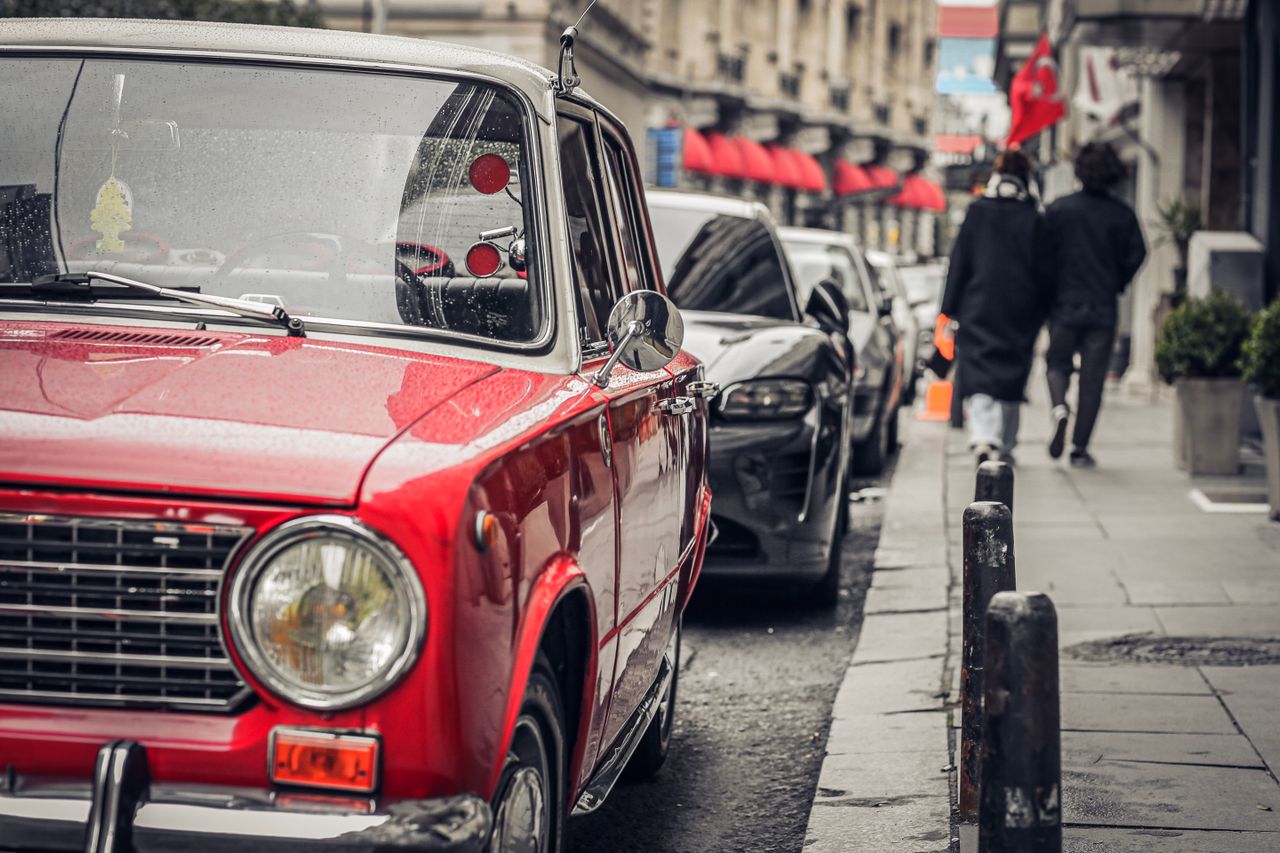
Few things are as closely connected to American music and entertainment as the automobile. From classic cruisers parked outside drive-in theaters to customized cars featured in music videos, vehicles have long represented freedom, personality, and status. Cars are more than transportation for many enthusiasts. They are part of an individual’s identity. Today, an auto body & paint shop can help vehicle owners maintain that identity by restoring damaged exteriors, refreshing paint, or bringing an older vehicle back to life.
The Rise of the American Cruiser
During the 1950s and 1960s, the automobile became a defining symbol of American culture. Large sedans, colorful paint schemes, chrome details, and powerful engines helped establish an entirely new automotive aesthetic.
Cars became particularly important to teenagers and young adults. Cruising through town was a social activity, while drive-in restaurants and theaters gave people places to show off their vehicles.
At the same time, music was changing rapidly. Rock and roll was becoming a cultural force, and automobiles naturally became part of that movement. The freedom associated with driving fit perfectly with the rebellious spirit of the era.
Cars and the Birth of Modern Car Culture
As music continued to evolve, so did the relationship between cars and popular culture.
The 1960s and 1970s introduced muscle cars, custom builds, lowriders, and other styles that allowed owners to make their vehicles distinctly their own. A car could communicate personality just as effectively as clothing, music, or hairstyle.
Custom paint became an especially important part of this culture. Bold colors, detailed graphics, metallic finishes, and personalized designs transformed ordinary vehicles into rolling works of art.
For many enthusiasts, modifying a car was not simply about improving performance. It was about creating something that reflected who they were.
The Influence of Music Videos
The arrival of music videos created another major connection between automobiles and entertainment.
Artists began using cars as visual elements in their videos, performances, and promotional photography. Certain vehicles became associated with particular artists, songs, or eras.
Lowriders became closely associated with West Coast hip-hop culture, while luxury vehicles and exotic sports cars became recurring symbols in other genres. The vehicle featured in a video could become almost as memorable as the song itself.
This helped introduce automotive styles to audiences who might not otherwise consider themselves car enthusiasts.
Cars as Symbols of Freedom
One reason automobiles continue to appear so frequently in music is their symbolic connection to freedom.
The open road represents independence, adventure, escape, and possibility. A song about leaving town, taking a road trip, or simply driving around with friends naturally lends itself to automotive imagery.
This connection is not limited to one musical genre. Country music, rock, hip-hop, pop, and countless other styles have used driving and cars as recurring themes.
The automobile works because almost everyone understands what it means to get behind the wheel and go somewhere.
From Classic Builds to Modern Customization
Modern car culture looks very different from the era of the classic cruiser, but the underlying idea remains remarkably similar.
Today, enthusiasts customize everything from vintage vehicles to electric cars. Wheels, suspension systems, interiors, lighting, wraps, and paint finishes can all be used to create a distinctive look.
Social media has also transformed the way car enthusiasts share their builds. Instead of showing a vehicle only to people in their local community, owners can photograph their cars and share them with audiences around the world.
Car shows, online communities, automotive influencers, and enthusiast groups have made customization more accessible than ever.
Why Appearance Still Matters
Even for drivers who are not interested in extensive customization, the appearance of a vehicle can make a significant difference.
A clean, well-maintained exterior can make an older vehicle feel newer and help preserve its character. Unfortunately, dents, scratches, faded paint, and collision damage can quickly change the appearance of a car.
Professional repair can restore more than aesthetics. Proper bodywork and paint matching can help return a vehicle to its previous condition after an accident or years of wear.
For owners who have invested time and money into their vehicles, maintaining the exterior is an important part of preserving the overall experience.
The Future of Car Culture
Automotive culture will continue to evolve as technology changes. Electric vehicles, advanced driver-assistance systems, connected cars, and new manufacturing techniques are already transforming what vehicles look like and how they operate.
Yet the emotional connection people have with their cars is unlikely to disappear.
The vehicles of the future may be quieter, smarter, and more technologically advanced, but people will still personalize them, photograph them, talk about them, and associate them with important moments in their lives.
From the classic cruisers of the 1950s to today’s customized modern rides, cars have always been more than machines. They have been part of music, entertainment, fashion, and everyday culture.
That is what makes car culture so enduring. The technology changes, the styles evolve, and new generations develop their own automotive tastes, but the desire to express individuality through the vehicle we drive remains as strong as ever.